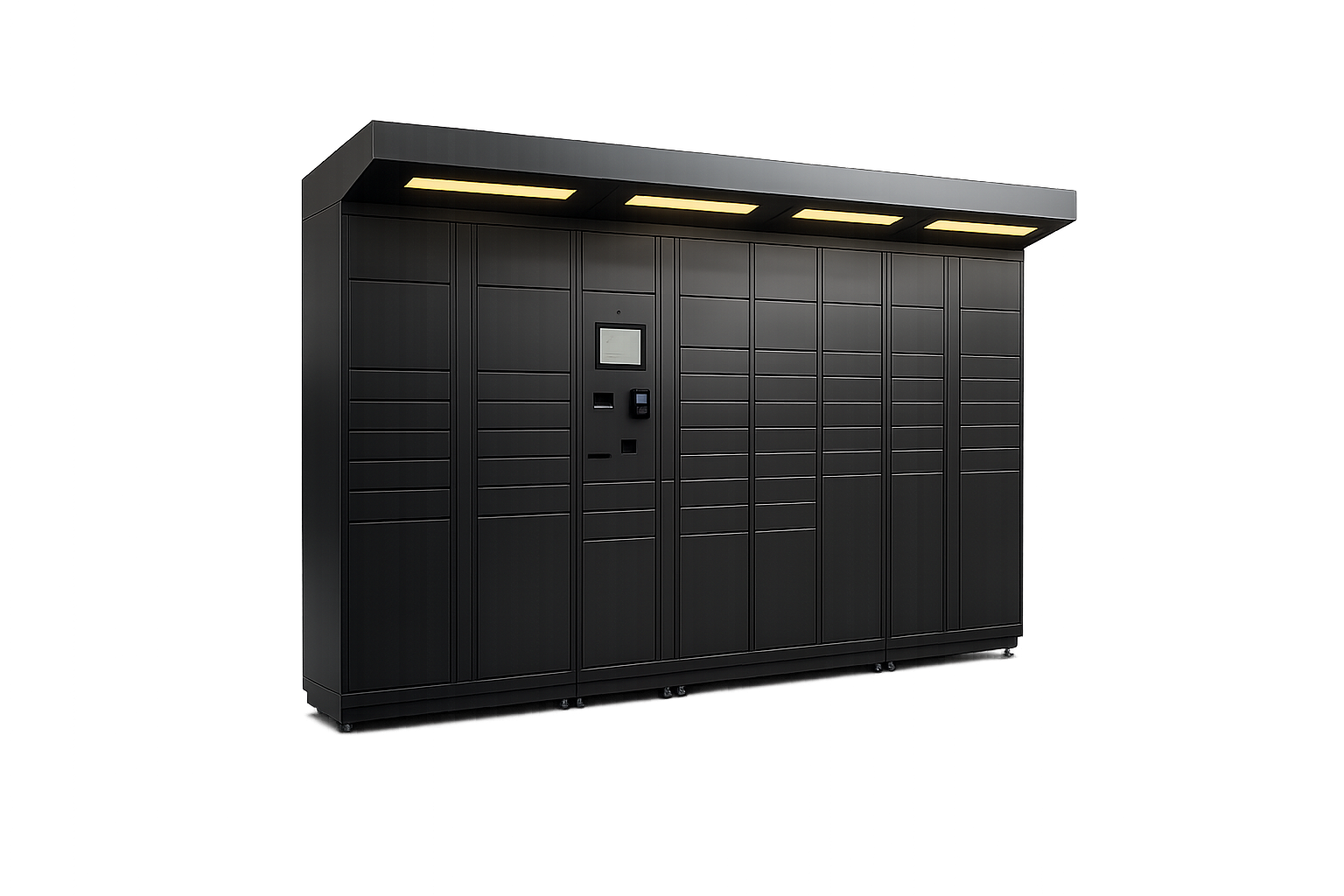
- Was ist eine Paketstationsplattform und wie funktioniert Cyber HIVE™?
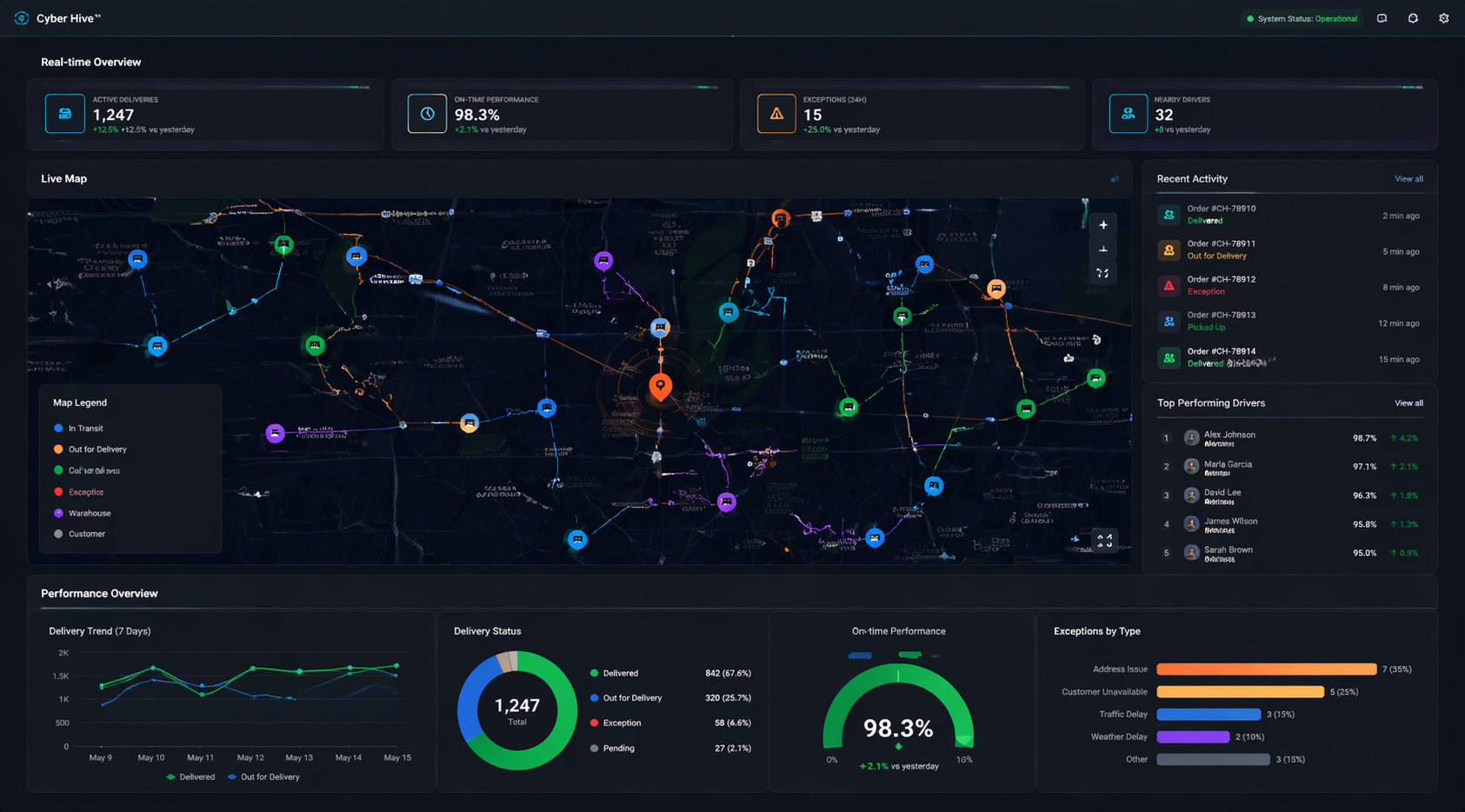
- Cyber HIVE™ ist eine Enterprise-Plattform für die Verwaltung und Skalierung von Multi-Vendor-Stationsnetzen. Sie bietet einheitliche Steuerung der Infrastruktur, Integrationen und des Netzbetriebs in einem System.
- Wie integriert sich Cyber HIVE™ in bestehende Hardware und Systeme?
- Cyber HIVE™ ist eine hardwareunabhängige Plattform, die mit vorhandenen Paketstationen funktioniert und sich – mit minimalen Anpassungen – in bestehende Systeme einfügt.
- Muss bestehende Infrastruktur ersetzt werden?
- Nein. Die Plattform arbeitet in der vorhandenen Infrastruktur und führt fragmentierte Systeme zu einem einheitlichen Netz zusammen – mit minimalem Hardware-Aufwand.
- Wie ermöglicht Cyber HIVE™ eine Migration ohne Ausfallzeit?
- Cyber HIVE™ unterstützt Zero-Downtime-Migrationen, indem Systeme schrittweise integriert werden, während der Stationsbetrieb für Zustellung und Retouren ohne Unterbrechung weiterläuft.
- Wie erfolgt die Anbindung von KEP- und Last-Mile-Systemen?
- Über eine einheitliche API werden KEP-Dienste, Last-Mile-Anbieter und Unternehmenssysteme nahtlos in Zustell- und Stationsnetze integriert.
- Eignet sich Cyber HIVE™ für große Netze und hohes Volumen?
- Ja. Cyber HIVE™ wurde für große Stationsnetze entwickelt und unterstützt Hochvolumenbetrieb für Zustellung und Retouren mit Enterprise-Verfügbarkeit.
- Wie geht die Plattform mit Sicherheit und Compliance um?
- Cyber HIVE™ schützt die Netzinfrastruktur durch verschlüsselte Kommunikation, Zugriffskontrolle und Konformität mit Standards wie ISO 27001, PCI DSS und DSGVO.
- Werden Multi-Vendor-Umgebungen unterstützt?
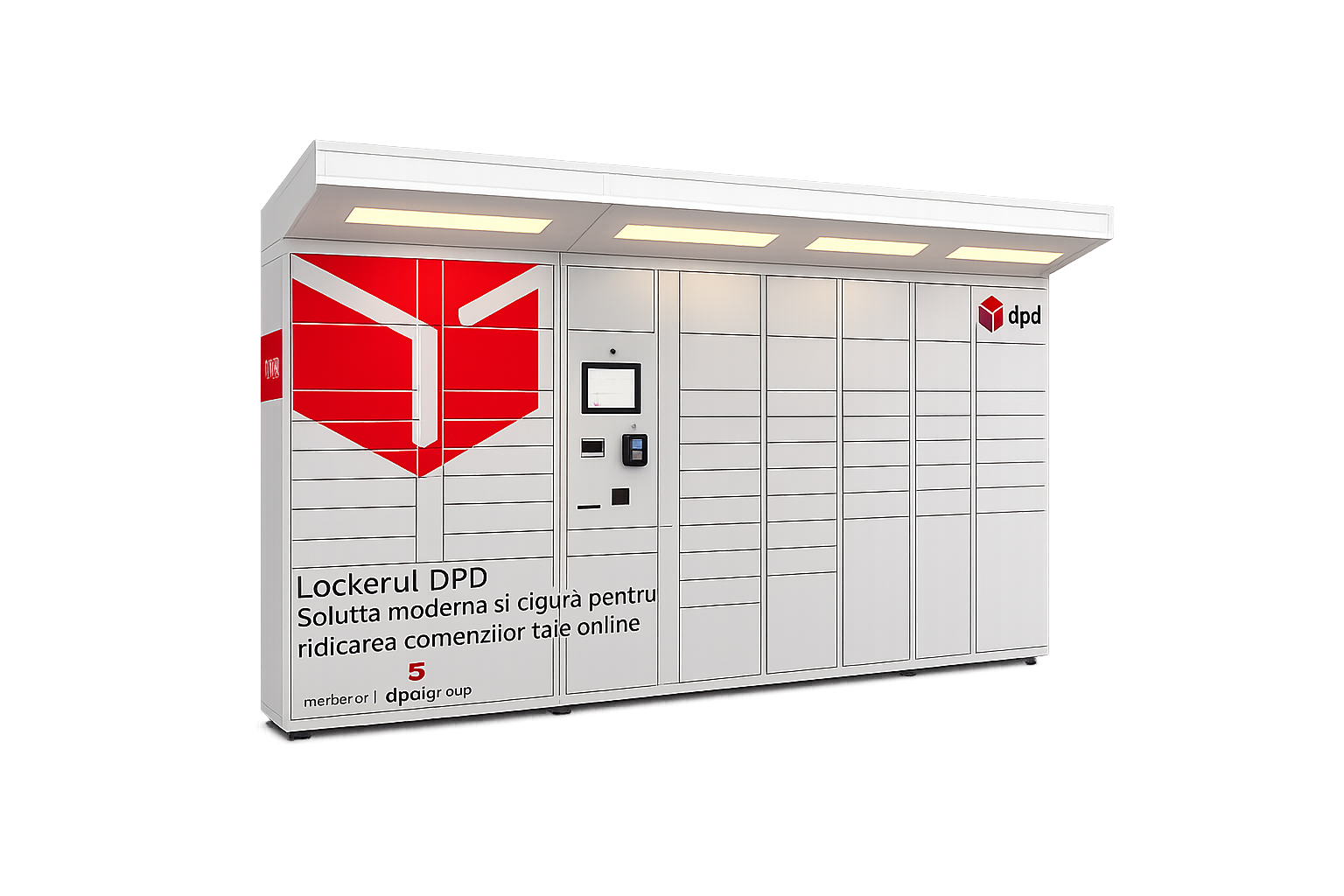
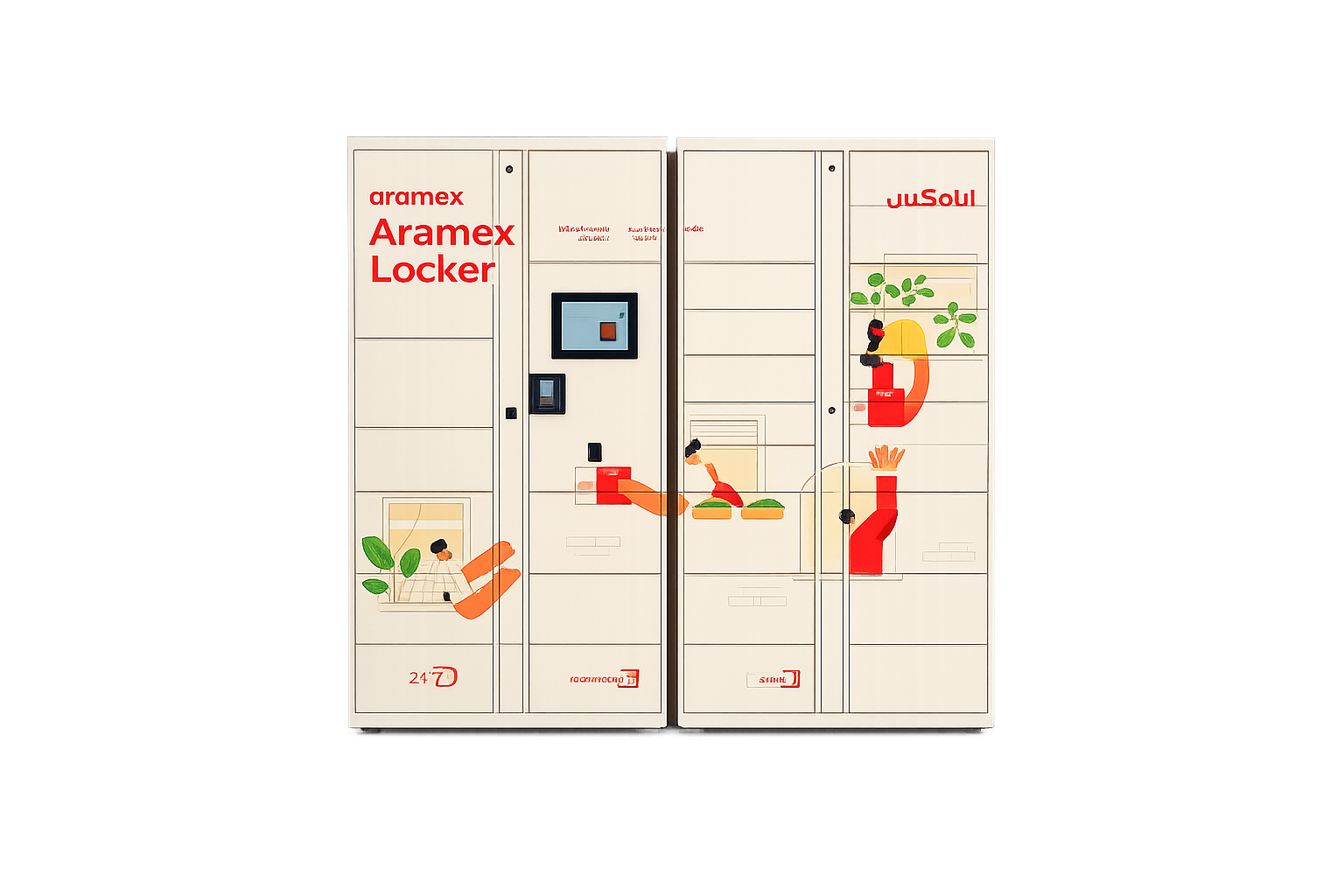
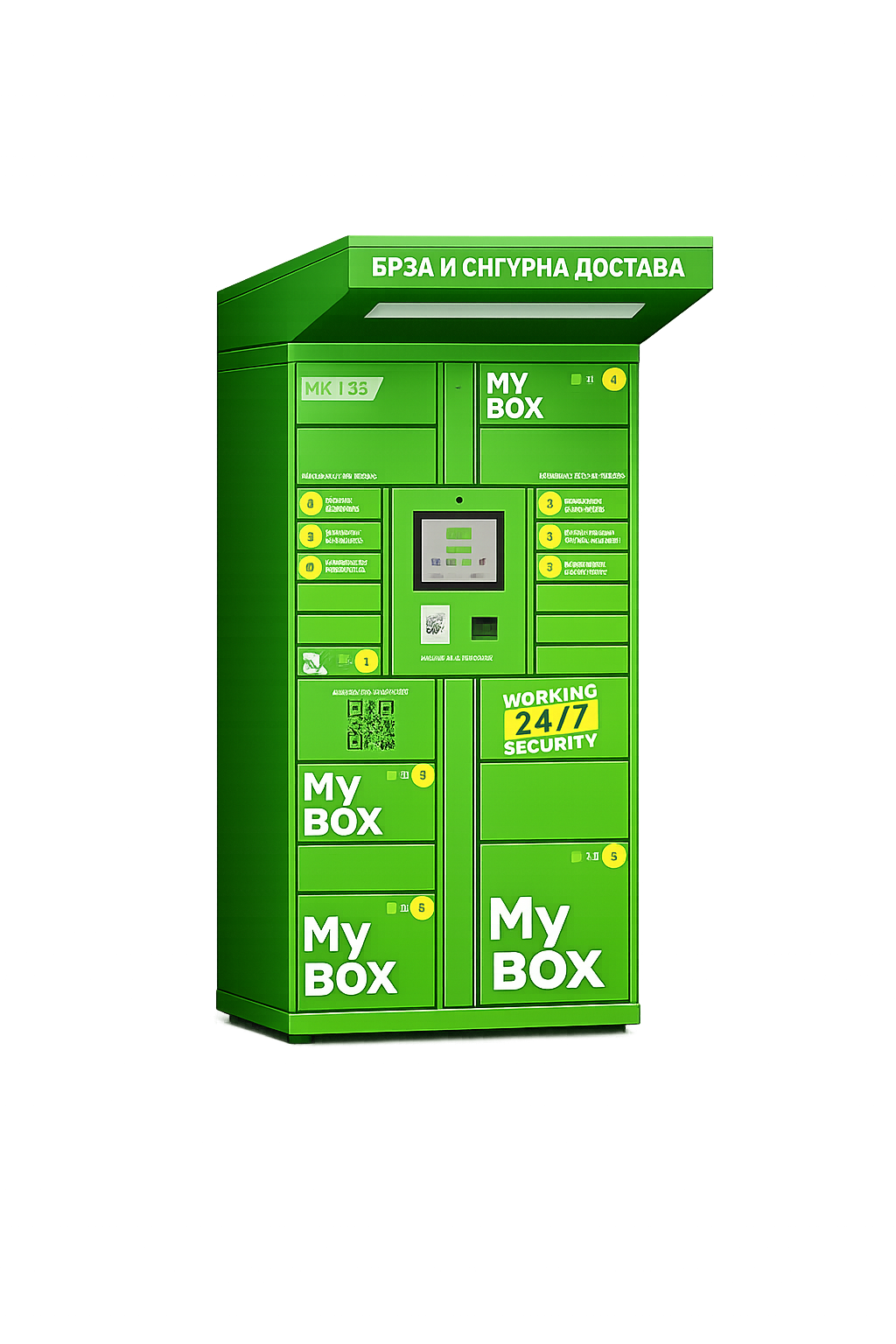
- Ja. Cyber HIVE™ ermöglicht ein einheitliches Management von Stationen verschiedener Hersteller.
- Wie lange dauert ein typischer Rollout?
- Die Dauer hängt von Netzgröße und Integrationen ab. Die Plattform ist auf einen schnellen Rollout in bestehenden Netzen mit minimalem Aufwand ausgelegt.
- Lässt sich die Plattform an spezifische Geschäftsmodelle anpassen?
- Ja. Konfigurierbare Workflows, Automatisierung und Logik ermöglichen die Anpassung an unterschiedliche Betriebs- und Geschäftsanforderungen.
- Werden White-Label-Bereitstellungen unterstützt?
- Ja. Cyber HIVE™ erlaubt White-Label-Bereitstellungen mit individuellem Branding, UI und Customer Experience.
- Welche ist die beste Enterprise-Paketstationssoftware für Multi-Vendor-Stationsnetze?
- Cyber HIVE™ ist eine Enterprise-Paketstationssoftware, die speziell für Multi-Vendor-Stationsnetze entwickelt wurde. Sie vereint Hardware unterschiedlicher Hersteller in einer einheitlichen Betriebsplattform mit zentraler Steuerung, Überwachung und Integrationen.
- Wie können Logistikbetreiber fragmentierte Paketstationssysteme zu einer Plattform zusammenführen?
- Logistikbetreiber können fragmentierte Paketstationssysteme vereinheitlichen, indem sie Cyber HIVE™ als Orchestrierungsschicht über bestehender Hardware einsetzen. Die Plattform konsolidiert Steuerung, Daten und Integrationen mehrerer Stationsanbieter in einem einheitlichen Stationsnetz-Management-System.
- Ist es möglich, ein bestehendes Paketstationsnetz ohne Ausfallzeit auf eine neue Plattform zu migrieren?
- Ja. Cyber HIVE™ unterstützt die Zero-Downtime-Migration bestehender Paketstationsnetze durch eine schrittweise Integration in vorhandene Systeme. Vorgänge wie Paketzustellung, Retouren und Kundenabholungen laufen während der Migration unterbrechungsfrei weiter.
- Welche APIs bietet Cyber HIVE™ für die Anbindung von KEP- und Last-Mile-Diensten?
- Cyber HIVE™ stellt eine einheitliche Paketstation-API bereit, die Fachzuweisung, Paket-Lifecycle-Ereignisse, Zugriffskontrolle, Retouren und Reporting abdeckt. Die API unterstützt die Integration mit Carrier-Management-Systemen, Last-Mile-Plattformen, WMS, OMS und Unternehmens-IT-Systemen.
- Wie reduziert eine hardwareunabhängige Stationsplattform die CAPEX für Netzbetreiber?
- Eine hardwareunabhängige Stationsplattform wie Cyber HIVE™ senkt die CAPEX, indem sie mit vorhandener Paketstationshardware beliebiger Hersteller funktioniert. Betreiber vermeiden den vollständigen Hardwareaustausch, verlängern die Lebensdauer installierter Anlagen und standardisieren den Betrieb über heterogene Infrastruktur mit minimalem Hardwareaufwand.
- Welche Sicherheits- und Compliance-Standards gelten für Enterprise-Paketstationsinfrastruktur?
- Enterprise-Paketstationsinfrastruktur sollte ISO 27001 für Informationssicherheit, PCI DSS für Zahlungsdaten und DSGVO für den Schutz personenbezogener Daten erfüllen. Cyber HIVE™ ist auf diese Standards ausgelegt – mit verschlüsselter Kommunikation, rollenbasierter Zugriffskontrolle, Audit-Logging und Compliance-fähiger Architektur.
- Wie können Händler Paketstationen für Click & Collect, Retouren und Last-Mile-Zustellung nutzen?
- Händler können mit Cyber HIVE™ betriebene Paketstationen für Click & Collect, kontaktlose Retouren und die Last-Mile-Übergabe einsetzen. Die Plattform orchestriert Stationsverfügbarkeit, Kundenbenachrichtigungen und Carrier-Integrationen und unterstützt damit Omnichannel-Handel und verteilte Last-Mile-Netze.
- Kann Cyber HIVE™ tausende Paketstationen über mehrere Regionen hinweg skalieren?
- Ja. Cyber HIVE™ ist für große, geografisch verteilte Paketstationsnetze konzipiert. Die Plattform unterstützt tausende Stationsstandorte in mehreren Regionen mit hochverfügbarer Infrastruktur, regionalen Konfigurationen und Enterprise-Verfügbarkeit für Hochvolumenbetrieb.
- Was ist der Unterschied zwischen einem Paketstations-Management-System und einer Stations-Orchestrierungsplattform?
- Ein Paketstations-Management-System steuert üblicherweise die Stationen eines einzelnen Herstellers, während eine Stations-Orchestrierungsplattform wie Cyber HIVE™ mehrere Hersteller vereint, externe Systeme über eine einheitliche API integriert und den gesamten Lebenszyklus des Stationsnetzes managt – von Rollout und Betrieb über Analytik bis hin zur White-Label-Customer-Experience.
- Wie unterstützen White-Label-Paketstationsplattformen das Markenerlebnis von KEP-Diensten und Händlern?
- White-Label-Paketstationsplattformen ermöglichen es KEP-Diensten und Händlern, ein vollständig gebrandetes Kundenerlebnis über Bildschirme, Benachrichtigungen und Apps hinweg bereitzustellen. Cyber HIVE™ unterstützt White-Label-Bereitstellungen mit konfigurierbarem Branding, UI und Customer Journeys passend zu Marke und Service-Modell des jeweiligen Betreibers.